
CELEBRITY
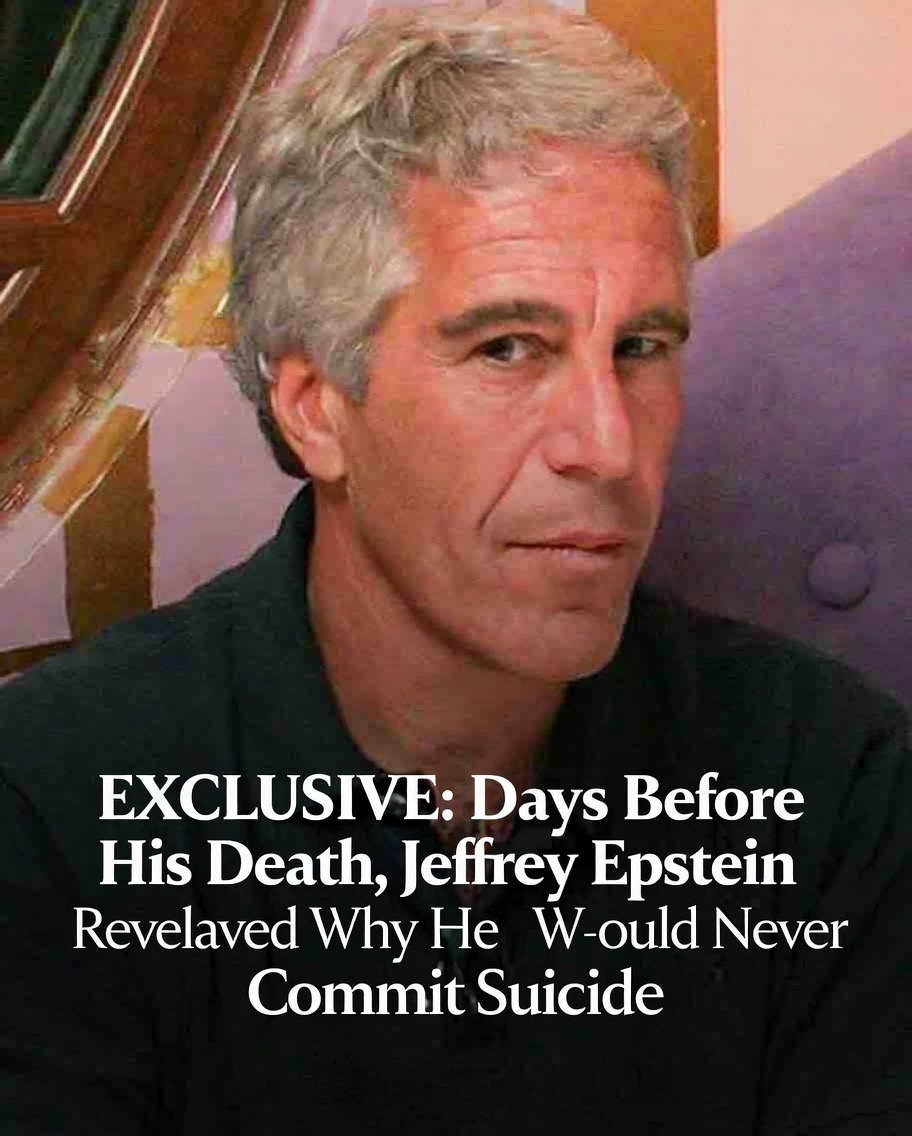
Shocking Revelation: Jeffrey Epstein’s Chilling Words Days Before His Mysterious Death

Shocking Revelation: Jeffrey Epstein’s Chilling Words Days Before His Mysterious Death
In a bombshell disclosure that reignites debates over one of the most controversial deaths in recent history, newly surfaced documents reveal Jeffrey Epstein’s adamant denial of any suicidal intentions just days before he was found dead in his jail cell. The disgraced financier, facing federal sex trafficking charges, reportedly told prison officials in explicit terms why he would never take his own life. This exclusive insight, buried in a suicide risk assessment form dated August 1, 2019, paints a picture of a man who appeared composed and resolute, even as the walls closed in around him. But with Epstein’s death officially ruled a suicide on August 10, 2019, these words now fuel endless speculation about what really happened behind bars at the Metropolitan Correctional Center in New York City.
According to the assessment, Epstein’s overall acute suicide risk was deemed “low,” a classification that seems baffling in hindsight given the high-profile nature of his case and the intense scrutiny he was under. During the evaluation, Epstein emphasized his psychological stability, insisting he felt no hopelessness and had concrete plans for the future. These “protective factors,” as noted in the report, were said to outweigh any potential risks. Yet, the most striking detail emerges from Epstein’s own explanation for his unwavering stance against self-harm: as a Jewish man, he claimed, suicide was strictly forbidden by his religion. This religious conviction, he argued, made the very idea unthinkable, positioning it as a core reason he would “never” end his life.
Delving deeper into the prison records, Epstein’s interactions with staff in the weeks leading up to his death offer a glimpse into his mindset. Just over a week earlier, on July 23, 2019, there were notes about a possible suicide attempt, but Epstein dismissed it, claiming amnesia due to his sleep apnea. In a follow-up observation on July 26, he reiterated his aversion to pain, stating he would “never attempt to harm himself.” Even as late as August 8—merely two days before his body was discovered—Epstein continued to deny any suicidal thoughts. These consistent affirmations of mental resilience contrast sharply with the chaotic circumstances of his incarceration, raising questions about the oversight and protocols at the facility.
The timing of these revelations couldn’t be more provocative, coming amid ongoing lawsuits and document releases tied to Epstein’s vast network of powerful associates. Critics of the official suicide ruling have long pointed to inconsistencies, such as malfunctioning cameras, removed guards, and Epstein’s broken neck bones, which some forensic experts argue are more consistent with homicide than hanging. Epstein’s brother, Mark, has publicly questioned the narrative, and high-profile figures like former Attorney General William Barr initially expressed skepticism before affirming the suicide conclusion. This new detail about Epstein’s religious objection adds another layer to the conspiracy theories, suggesting he had every intention of fighting his charges in court—perhaps to expose secrets that could topple influential elites.
Epstein’s life was a tapestry of enigma and excess, from his rise as a shadowy money manager rubbing shoulders with presidents, princes, and celebrities to his downfall amid allegations of running a sex-trafficking ring involving underage girls. His 2008 plea deal, which allowed him to serve minimal time despite serious accusations, only amplified suspicions of protection from high places. In his final days, Epstein reportedly met with lawyers, including one who later claimed Epstein confided that a cellmate—not himself—caused an earlier neck injury from an alleged attack. Epstein allegedly chose to stay silent about it to avoid complications, further illustrating his calculated approach to survival even in prison
Yet, despite these assertions of stability, the prison system’s failures are glaring. Reports from the time highlight understaffing, ignored protocols, and a history of inmate suicides at the Metropolitan Correctional Center. Epstein was taken off suicide watch just days after his initial attempt, a decision that has been lambasted by watchdogs. In interviews, he smirked while proclaiming, “I am not suicidal and I would never be,” a statement that now echoes hauntingly in light of his fate. This defiance, coupled with his religious rationale, challenges the narrative of a man driven to despair, instead portraying someone who believed he held the upper hand.
As these documents continue to surface, they not only humanize Epstein in unexpected ways but also underscore the lingering mysteries of his death. Was it truly suicide, or a convenient silencing? The phrase “Epstein didn’t kill himself” has become a cultural meme, symbolizing distrust in official accounts. With no definitive closure, this latest exclusive serves as a stark reminder of the shadows that still cloak one of the darkest scandals of our time, leaving the public to ponder: If Epstein was so adamant about living, who—or what—ensured he didn’t?

Barack Obama Seals $10M Netflix Bombshell: The Untold Saga of America’s Trailblazing Leader Unveiled!

Alex Honnold’s “Embarrassing” Payday: Risking Life for Mid-Six Figures on Taipei 101

India’s Imposition of 30% Reciprocal Tariffs on Select US Imports: A New Chapter in Bilateral Trade Tensions

The Viral Late-Night Takedown: How Jimmy Kimmel and Jim Carrey’s On-Air Exposure Sent Shockwaves Through Trump World

Russia Drops Bombshell Warning: “The End of the World” Could Begin if Trump Continues “Dangerous” Plan

Trump’s Bold Military Ban: “Mission First. Military Ready. America Secure.” – The Policy That Put Combat Readiness Above All

Trump Freaks Out as Jimmy Kimmel Delivers Epic On-Air Smackdown to JD Vance – MAGA in Meltdown Mode!

50 Cent’s Masterstroke: How the Troll King Turned 20 Years of Beef into Netflix’s Most Explosive Exposé!

How Impeachment Would Work as Calls for Trump to Be Removed from Office Grow

50 Cent’s Epic $124 Million Power Move: Transforming Louisiana into Hollywood’s New Hotspot!

🚨 Trump Furious: “Decision Coming Fast” on Iran as Protester Deaths Soar Past 2,000! 🔥
