
CELEBRITY
Iranian Navy Flees: Second Warship Begs for Refuge in Sri Lanka After U.S. Torpedo Sends Frigate to the Bottom

Iranian Navy Flees: Second Warship Begs for Refuge in Sri Lanka After U.S. Torpedo Sends Frigate to the Bottom
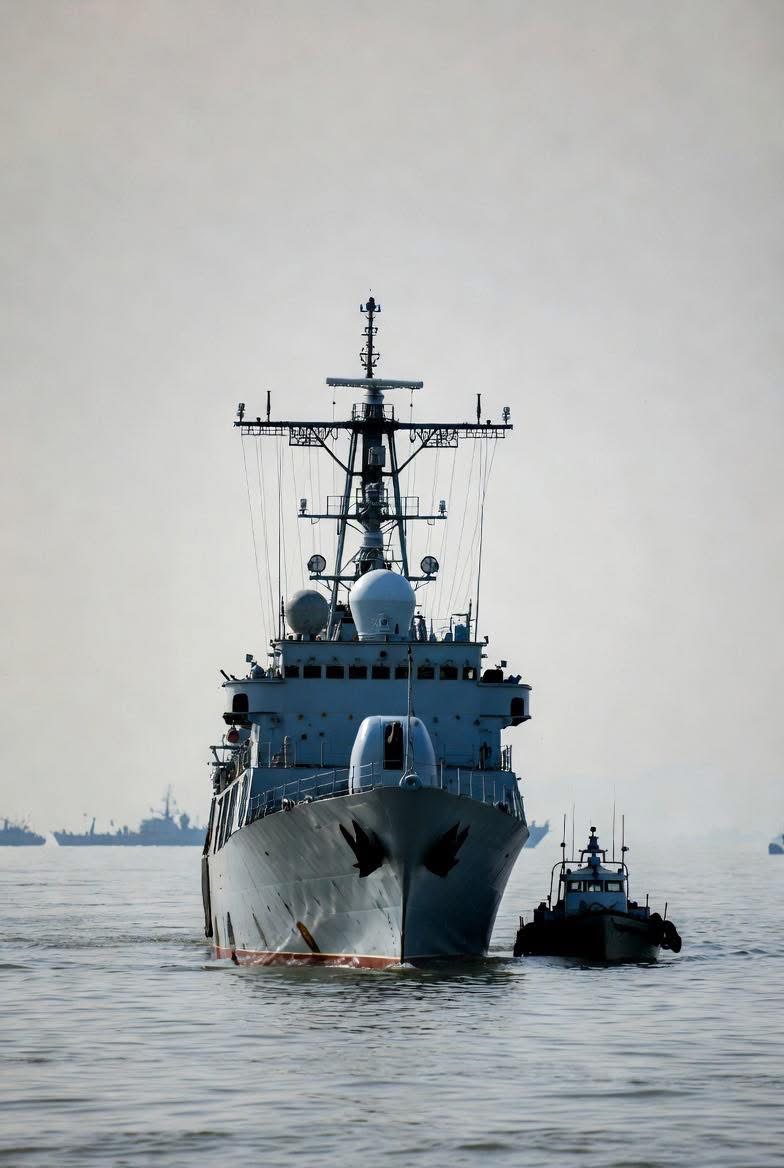
In a breathtaking escalation of tensions between the United States and Iran, a U.S. fast-attack submarine unleashed a devastating Mk-48 torpedo on the Iranian frigate IRIS Dena, sending the vessel plummeting to the depths of the Indian Ocean. This audacious strike, confirmed by U.S. Defense Secretary Pete Hegseth, marks the first time an American submarine has sunk an enemy warship with a torpedo since World War II. The attack occurred in international waters off the coast of Sri Lanka, catching the Iranian navy off guard as the frigate was returning from India’s MILAN 2026 naval exercise. Eyewitness accounts from Sri Lankan rescuers paint a harrowing picture of chaos, with oil slicks, floating debris, and desperate survivors clinging to life rafts amid the vast ocean expanse.
The IRIS Dena, a Moudge-class frigate armed with surface-to-air missiles, anti-ship weapons, and capable of carrying helicopters, carried approximately 180 crew members when disaster struck. Sri Lankan navy forces, responding to a frantic distress signal, arrived to find the ship already vanished beneath the waves. They managed to rescue 32 survivors, who were rushed to hospitals for treatment, while recovering 87 bodies from the churning waters. Dozens more remain missing, presumed lost to the sea, as search operations continue amid rough conditions. This tragedy underscores the lethal precision of modern submarine warfare, where a single torpedo can erase a formidable warship in moments, leaving behind only echoes of its former might.
Hegseth’s confirmation came during a high-stakes Pentagon briefing, where he described the sinking as a “quiet death” delivered to a vessel that believed itself secure in open waters. Video footage released by the U.S. Department of Defense captures the chilling moment of impact, showing the torpedo striking the frigate’s stern and lifting it from the water before it rapidly succumbed. This historic engagement not only highlights the unmatched stealth and firepower of U.S. submarines but also signals a bold expansion of the conflict beyond the Middle East, thrusting the Indian Ocean into the spotlight as a new theater of war. Analysts are buzzing about the implications, noting how this strike enforces U.S. red lines against Iranian naval movements globally.
As the dust—or rather, the waves—settle from the Dena’s demise, attention has shifted to a second Iranian vessel now desperately seeking sanctuary. The logistical support ship IRIS Bushehr, carrying over 200 crew members, has requested emergency docking in Sri Lanka, citing engine troubles while hugging the island’s western coast to evade potential U.S. pursuit. Sri Lankan authorities, navigating a delicate neutral stance under international conventions like the Hague rules, have granted limited access. The ship’s crew has been evacuated to shore for safety, with the vessel directed to the port of Trincomalee amid fears of another submarine lurking nearby. This move transforms Sri Lanka from a bystander into a reluctant player in the unfolding drama.
The Iranian navy’s once-formidable presence in the region now appears in full retreat, with ships scattering like shadows at dawn. Tehran’s response has been swift and furious, vowing retaliation for what it calls an unprovoked act of aggression. Yet, the stark reality on the water tells a different story: U.S. undersea dominance is reshaping naval power dynamics, proving that no ocean is safe for adversaries. This incident, far from the Persian Gulf, illustrates how the 2026 Iran war is spilling into global waterways, forcing neutral nations like Sri Lanka to grapple with the fallout of superpower clashes.
Sri Lanka’s government finds itself walking a diplomatic tightrope, providing humanitarian aid while avoiding entanglement in the conflict. Officials have dispatched additional resources, including freezers for body storage and medical teams for survivors, all while monitoring the second ship’s movements closely. The island nation’s exclusive economic zone has become a hotspot of intrigue, with reports of the Bushehr lingering just outside territorial waters before its plea for refuge. This humanitarian gesture underscores the human cost of geopolitical strife, where sailors’ lives hang in the balance amid engine failures and invisible threats below the surface.
Ultimately, this episode is more than a naval skirmish—it’s a stark reminder of deterrence in action. As Iran’s fleet flees and U.S. forces assert unchallenged superiority, the world watches a new chapter in modern warfare unfold. Tehran may rattle sabers from afar, but the scoreboard is undeniable: American resolve is sinking regimes’ ambitions, one warship at a time. With tensions boiling over, the Indian Ocean could soon witness more such confrontations, forever altering the balance of power on the high seas.





China’s Bold Ultimatum: End the War Now or Face Global Chaos!

Fatwa Fury: Iranian Grand Ayatollah’s Deadly Decree Against Trump Ends in Fiery US Airstrike Retaliation

Iranian Navy Flees: Second Warship Begs for Refuge in Sri Lanka After U.S. Torpedo Sends Frigate to the Bottom

Trump’s Bold Ultimatum: America Demands Veto Power Over Iran’s Next Supreme Leader

Barack Obama Seals $10M Netflix Bombshell: The Untold Saga of America’s Trailblazing Leader Unveiled!

Alex Honnold’s “Embarrassing” Payday: Risking Life for Mid-Six Figures on Taipei 101

India’s Imposition of 30% Reciprocal Tariffs on Select US Imports: A New Chapter in Bilateral Trade Tensions

The Viral Late-Night Takedown: How Jimmy Kimmel and Jim Carrey’s On-Air Exposure Sent Shockwaves Through Trump World

Russia Drops Bombshell Warning: “The End of the World” Could Begin if Trump Continues “Dangerous” Plan

Trump’s Bold Military Ban: “Mission First. Military Ready. America Secure.” – The Policy That Put Combat Readiness Above All

Trump Freaks Out as Jimmy Kimmel Delivers Epic On-Air Smackdown to JD Vance – MAGA in Meltdown Mode!
