
CELEBRITY
FIFA’s Shocking Betrayal: US World Cup Hosting Slashed from 60 to 48 Matches – Canada and Mexico Reap the Rewards

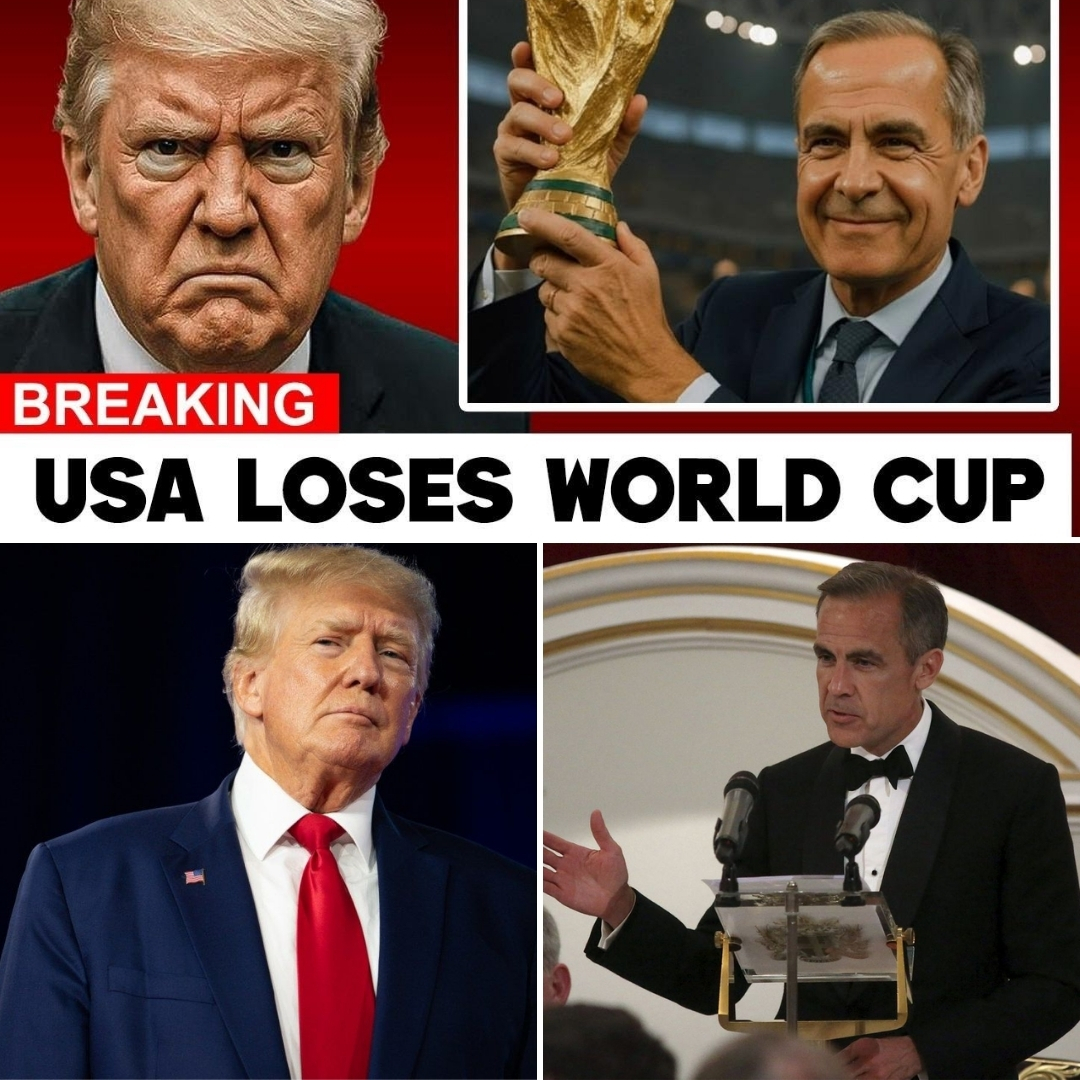
FIFA’s Shocking Betrayal: US World Cup Hosting Slashed from 60 to 48 Matches – Canada and Mexico Reap the Rewards
In a move that has sent shockwaves through the American soccer community, FIFA has dramatically reduced the number of World Cup matches the United States will host in 2026, cutting it from the anticipated 60 down to just 48. This unexpected decision, announced earlier today, reallocates a dozen games to co-hosts Canada and Mexico, fundamentally altering the landscape of what was supposed to be North America’s grandest sporting spectacle. U.S. Soccer Federation officials, who had invested heavily in preparations, described the reversal as a “gut punch,” raising immediate concerns about wasted resources and diminished economic benefits for American cities.
The announcement came without warning, catching even the most seasoned insiders off guard. For months, U.S. organizers had operated under the assumption of hosting the lion’s share of the tournament’s 104 matches, leveraging the country’s vast infrastructure of state-of-the-art stadiums in cities like New York, Los Angeles, and Atlanta. Budgets were allocated, sponsorships secured, and promotional campaigns launched with the 60-match figure as the cornerstone. Now, with 12 games shifted northward and southward, questions are swirling about what went wrong in the negotiations. Did U.S. negotiators push too aggressively for even more games, prompting FIFA to pull back? Or is this a symptom of broader geopolitical tensions influencing the global governing body?
Reactions poured in swiftly from all corners. In Washington, D.C., lawmakers from both parties demanded transparency, with some calling for congressional hearings to investigate FIFA’s decision-making process. “This isn’t just about soccer; it’s about American prestige and economic opportunity,” one senator tweeted moments after the news broke. Fans, meanwhile, expressed frustration online, lamenting the loss of high-profile matches that could have drawn international crowds to U.S. soil. Social media erupted with hashtags like #FIFABetrayal and #SaveUSWorldCup, as supporters speculated on which iconic venues might now sit idle during key tournament phases.
Across the border, the mood couldn’t be more different. Canadian Soccer Association leaders hailed the boost as a “historic opportunity,” with the additional games expected to supercharge the sport’s growth in a nation where hockey still reigns supreme. Cities like Toronto and Vancouver are already buzzing with excitement, anticipating a surge in tourism and infrastructure investments. Similarly, in Mexico, officials celebrated the windfall, noting that the extra matches in stadiums like Estadio Azteca could solidify the country’s status as a soccer powerhouse. This redistribution not only evens the playing field among the three hosts but could foster long-term rivalries and collaborations across North America.
Behind the public outcry, sources close to the negotiations reveal a more complex backstory. Insiders whisper that infrastructure concerns played a pivotal role—FIFA reportedly cited logistical challenges in some U.S. cities, including transportation bottlenecks and venue readiness, as justification for the shift. Others point to diplomatic maneuvering, suggesting that Canada and Mexico’s more conciliatory approaches in recent talks swayed FIFA’s favor. Whatever the truth, this decision exposes the fragile nature of international sports alliances and the high stakes involved in hosting a event of this magnitude.
As the dust settles, the implications for the 2026 World Cup are profound. U.S. organizers must now scramble to adjust plans, potentially scaling back expansions at certain stadiums and renegotiating contracts with vendors. The economic ripple effects could be felt in local communities, where anticipated job creation and revenue from match-day spending might fall short. Yet, some experts argue this could ultimately benefit the tournament by distributing the excitement more evenly, preventing any one host from overshadowing the others.
Looking ahead, the saga is far from resolved. FIFA has scheduled follow-up meetings with all three nations, and U.S. officials are vowing to fight for reinstatement of the lost matches. “This isn’t over,” one executive stated anonymously. “We’re exploring all options, including appeals and incentives to bring those games back home.” As fans worldwide await the final draw and schedule, this controversy underscores the unpredictable drama that makes the World Cup more than just a game—it’s a global chess match with billions on the line.






Common’s Wild Confession Backfires: Serena Williams Delivers the Ultimate Clapback That Broke the Internet

Shockwaves Across the Middle East: IRGC Commander Assassinated in Daring U.S.-Israel Airstrike

Iran’s New Supreme Leader: A Clear and Present Danger

Blazing Skies Over Tehran: US-Israeli Airstrikes Obliterate Mehrabad Airport in Fiery Assault

China’s Bold Ultimatum: End the War Now or Face Global Chaos!

Fatwa Fury: Iranian Grand Ayatollah’s Deadly Decree Against Trump Ends in Fiery US Airstrike Retaliation

Iranian Navy Flees: Second Warship Begs for Refuge in Sri Lanka After U.S. Torpedo Sends Frigate to the Bottom

Trump’s Bold Ultimatum: America Demands Veto Power Over Iran’s Next Supreme Leader

Barack Obama Seals $10M Netflix Bombshell: The Untold Saga of America’s Trailblazing Leader Unveiled!

Alex Honnold’s “Embarrassing” Payday: Risking Life for Mid-Six Figures on Taipei 101

India’s Imposition of 30% Reciprocal Tariffs on Select US Imports: A New Chapter in Bilateral Trade Tensions
