
CELEBRITY
India’s Imposition of 30% Reciprocal Tariffs on Select US Imports: A New Chapter in Bilateral Trade Tensions

India’s Imposition of 30% Reciprocal Tariffs on Select US Imports: A New Chapter in Bilateral Trade Tensions
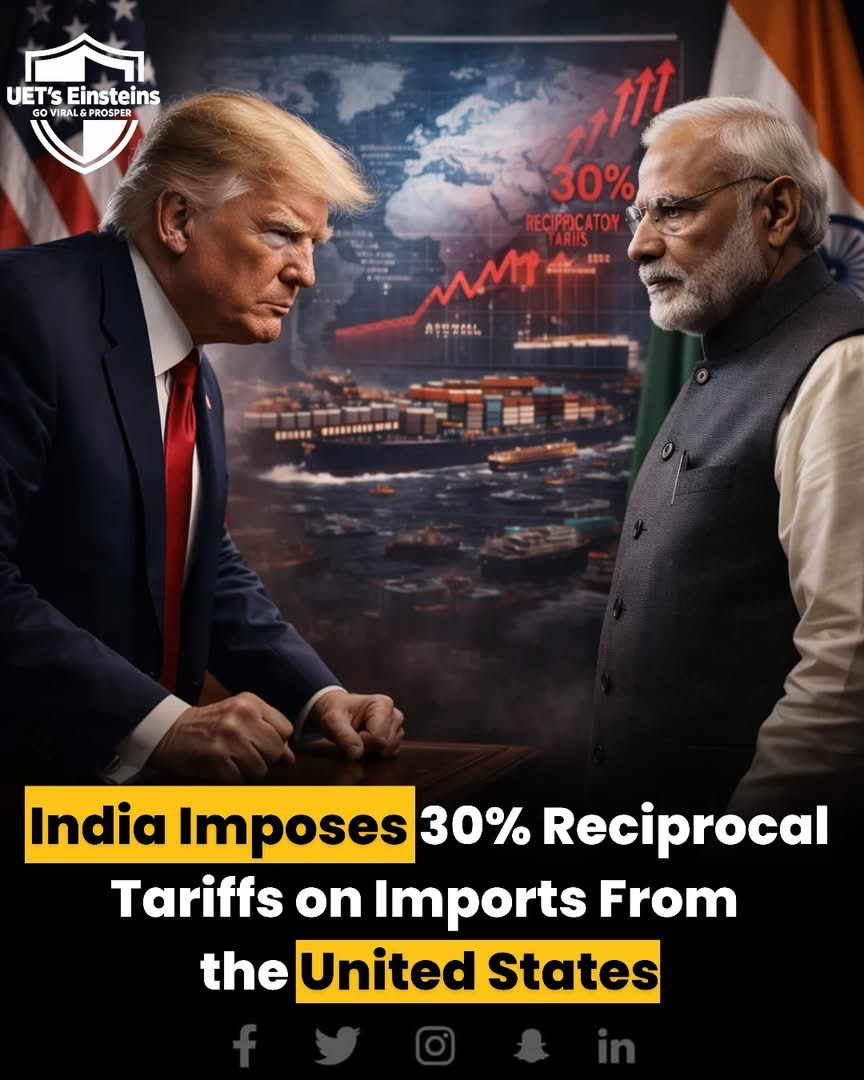
India has escalated its trade measures against the United States by imposing **30% reciprocal tariffs** on selected imports from the country, with the move particularly targeting agricultural products such as pulses, including yellow peas, lentils, and chickpeas. This tariff, which took effect on November 1, 2025, follows a quieter announcement in late October and is widely viewed as a retaliatory response to the steep duties imposed by the US on Indian goods. The decision reflects New Delhi’s commitment to protecting domestic industries, especially in agriculture, while signaling a firmer stance amid prolonged negotiations for a bilateral trade agreement.
The backdrop to India’s action lies in the aggressive tariff policies pursued by the US under President Donald Trump. In 2025, the US implemented a 25% “reciprocal” tariff on a broad range of Indian exports, followed by an additional 25% penalty linked to India’s continued purchases of discounted Russian oil. This resulted in cumulative duties as high as 50% on many Indian products, severely impacting sectors like textiles, gems, jewelry, and engineering goods. Indian officials have described these measures as unfair and selective, prompting the need for proportionate countermeasures to safeguard national interests and promote self-reliance in key sectors.
The specific focus on US pulses is strategic. India is one of the world’s largest consumers of pulses, and domestic production often falls short of demand. However, the government has prioritized protecting local farmers from cheap imports, particularly from major US producing states like North Dakota and Montana. By raising the tariff to 30%, India aims to make American pulses less competitive in its market, thereby supporting domestic growers and stabilizing prices for consumers. This move also aligns with India’s broader agricultural policies, which emphasize food security and reducing dependence on external supplies.
The announcement has drawn sharp reactions in Washington. US Republican Senators Kevin Cramer and Steve Daines, representing key pulse-exporting states, have urged President Trump to directly engage with Prime Minister Narendra Modi to address the issue. In a letter dated January 16, 2026, they argued that the tariffs place American farmers at a significant competitive disadvantage and could hinder progress in ongoing trade talks. The senators called for favorable provisions on pulse exports in any future bilateral agreement, highlighting how the dispute risks delaying a comprehensive deal that both sides have been pursuing for months.
Analysts warn that the tit-for-tat tariffs could have broader implications for bilateral trade, which has grown significantly in recent years despite friction. The US remains one of India’s largest trading partners, with bilateral trade exceeding $100 billion annually. Escalation risks disrupting supply chains, increasing costs for consumers on both sides, and affecting global markets, particularly in agriculture and commodities. If unresolved, the dispute could spill over into other sectors, complicating negotiations over market access, intellectual property, and non-tariff barriers.
Despite the tensions, there are signs of cautious optimism. Reports from Davos in early 2026 suggest that trade talks are advancing, with some experts predicting a limited agreement within the next few months. India’s Commerce Minister Piyush Goyal has engaged with US counterparts, and both governments appear motivated to find common ground. A successful deal could potentially roll back or reduce tariffs, benefiting exporters and fostering stronger economic ties between the world’s two largest democracies.
In conclusion, India’s 30% reciprocal tariffs represent a calculated response to perceived imbalances in trade relations, underscoring the complexities of global commerce in an era of protectionism. While the immediate impact may be limited to specific products, the broader dispute highlights the need for dialogue and compromise. As negotiations continue, the outcome will shape not only US-India economic ties but also the trajectory of international trade in a multipolar world.

Common’s Wild Confession Backfires: Serena Williams Delivers the Ultimate Clapback That Broke the Internet

Shockwaves Across the Middle East: IRGC Commander Assassinated in Daring U.S.-Israel Airstrike

Iran’s New Supreme Leader: A Clear and Present Danger

Blazing Skies Over Tehran: US-Israeli Airstrikes Obliterate Mehrabad Airport in Fiery Assault

China’s Bold Ultimatum: End the War Now or Face Global Chaos!

Fatwa Fury: Iranian Grand Ayatollah’s Deadly Decree Against Trump Ends in Fiery US Airstrike Retaliation

Iranian Navy Flees: Second Warship Begs for Refuge in Sri Lanka After U.S. Torpedo Sends Frigate to the Bottom

Trump’s Bold Ultimatum: America Demands Veto Power Over Iran’s Next Supreme Leader

Barack Obama Seals $10M Netflix Bombshell: The Untold Saga of America’s Trailblazing Leader Unveiled!

Alex Honnold’s “Embarrassing” Payday: Risking Life for Mid-Six Figures on Taipei 101

India’s Imposition of 30% Reciprocal Tariffs on Select US Imports: A New Chapter in Bilateral Trade Tensions
