
CELEBRITY
Iran’s New Supreme Leader: A Clear and Present Danger

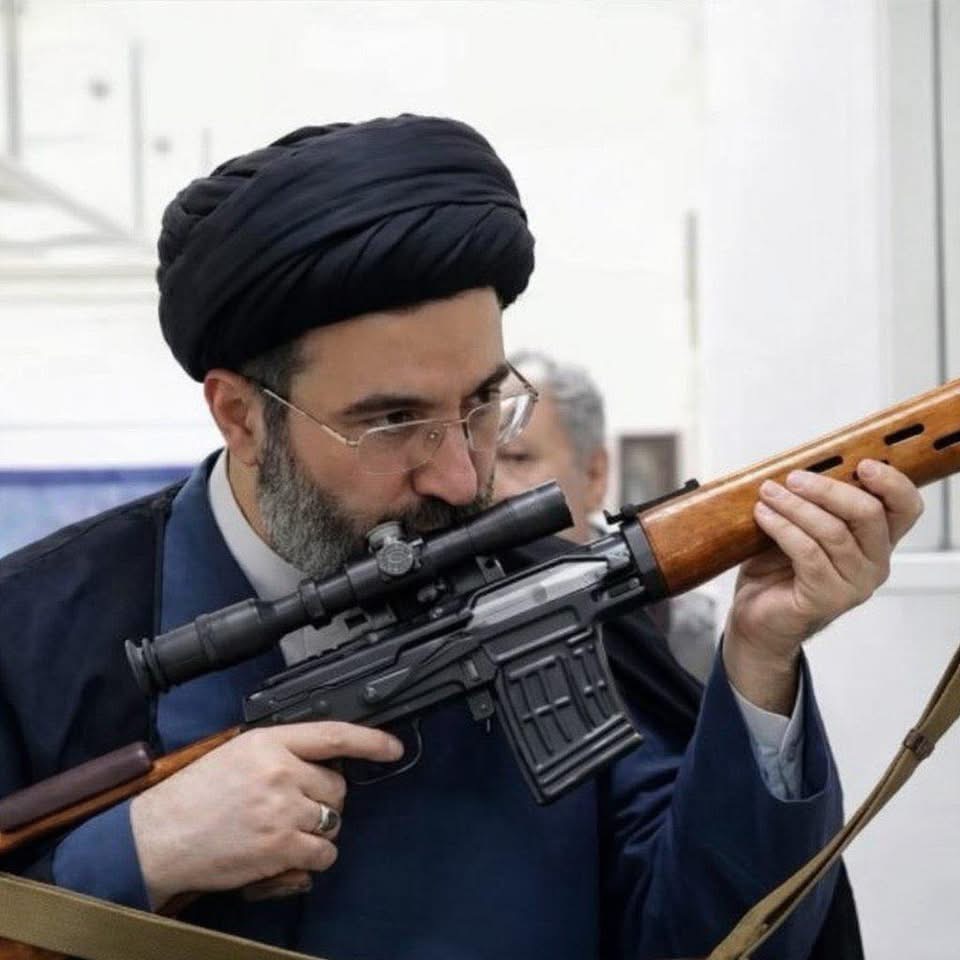
Iran’s New Supreme Leader: A Clear and Present Danger
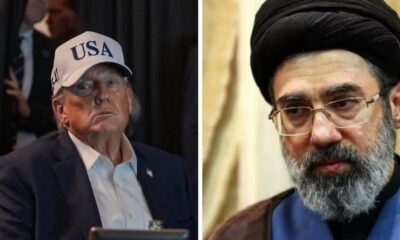
In a move that has sent shockwaves through the global geopolitical landscape, Iran’s Assembly of Experts has appointed Mojtaba Khamenei as the new Supreme Leader, succeeding his father, Ayatollah Ali Khamenei, who was killed in a joint U.S.-Israeli airstrike on February 28, 2026. This swift succession, announced on March 8, underscores the regime’s determination to maintain hardline control amid escalating conflict. Mojtaba, at 56, steps into the role not as a mere heir but as a figure poised to intensify Iran’s confrontational stance, potentially unraveling decades of fragile nuclear restraint and pushing the Middle East toward unprecedented chaos.
The elder Khamenei’s death marked the end of an era defined by 36 years of iron-fisted rule, during which he transformed Iran into a regional powerhouse through proxy militias and unyielding anti-Western rhetoric. Assassinated in a precision strike on his Tehran compound, his demise was confirmed by Iranian state media, triggering a 40-day mourning period and vows of revenge from Tehran. The operation, dubbed “Epic Fury” by some reports, highlighted years of intelligence gathering by Israeli and U.S. forces, including hacked traffic cameras and jammed communications, culminating in a barrage that eliminated the 86-year-old leader and several aides.
Mojtaba Khamenei emerges from the shadows as a more radical force than his father, with deep ties to the Islamic Revolutionary Guard Corps (IRGC) and a reputation for extremism forged under mentors like Ayatollah Taqi Mesbah Yazdi. Unlike Ali Khamenei’s calculated pragmatism—which included allowing the 2015 nuclear deal despite hardliner opposition—Mojtaba is seen as uncompromising, potentially accelerating Iran’s militarization. Critics, including Israeli officials, describe him as “more extreme and more cruel,” warning that his ascension signals a regime doubling down on aggression rather than seeking de-escalation.
At the heart of the alarm is Iran’s nuclear program. Ali Khamenei issued a fatwa in the mid-1990s prohibiting nuclear weapons, a religious edict that has long served as Tehran’s shield against accusations of weaponization. However, with Mojtaba at the helm, experts fear this restraint could evaporate. Iranian military leaders have already pressured for revoking the fatwa amid threats, and Mojtaba’s hardline views may lead to a new edict green-lighting full weapon development—especially as IAEA reports note ongoing activity at bombed enrichment sites.
A stark warning from the X account @Terror_Alarm amplifies the urgency: the U.S. has just seven days to eliminate Mojtaba, or face a leader whose first act could authorize nuclear arms, unleashing “devastation on the free world.” This alert, posted shortly after the appointment, echoes broader concerns about Mojtaba being “10 times worse” than his father, fueling speculation of imminent strikes. Oil prices have already surged past $110 per barrel in response, with Trump dismissing the spike as a “small price” to neutralize the threat.
The IRGC has swiftly pledged allegiance to Mojtaba, bolstering his position amid internal dissent—reports indicate chants of “Death to Mojtaba” in Tehran and delays in printing official documents betting on his short tenure. Israel, meanwhile, has signaled zero tolerance, with Prime Minister Netanyahu vowing to prevent a nuclear-armed Iran under this new regime. The hardliners’ long push for nuclear advancement, often bypassing religious rulings, now finds a sympathetic ear at the top, dramatically heightening the risk of crossing the weapons threshold.
The window for action is razor-thin. Hesitation could embolden a nuclear-armed Iran, shifting the regional balance toward existential threats for the U.S., Israel, and allies. As strikes continue and global markets reel, the West must confront this reality head-on: Mojtaba Khamenei’s rule isn’t just succession—it’s a declaration of war on stability. Time is not an ally here; decisive intervention may be the only path to averting catastrophe.



Common’s Wild Confession Backfires: Serena Williams Delivers the Ultimate Clapback That Broke the Internet

Shockwaves Across the Middle East: IRGC Commander Assassinated in Daring U.S.-Israel Airstrike

Iran’s New Supreme Leader: A Clear and Present Danger

Blazing Skies Over Tehran: US-Israeli Airstrikes Obliterate Mehrabad Airport in Fiery Assault

China’s Bold Ultimatum: End the War Now or Face Global Chaos!

Fatwa Fury: Iranian Grand Ayatollah’s Deadly Decree Against Trump Ends in Fiery US Airstrike Retaliation

Iranian Navy Flees: Second Warship Begs for Refuge in Sri Lanka After U.S. Torpedo Sends Frigate to the Bottom

Trump’s Bold Ultimatum: America Demands Veto Power Over Iran’s Next Supreme Leader

Barack Obama Seals $10M Netflix Bombshell: The Untold Saga of America’s Trailblazing Leader Unveiled!

Alex Honnold’s “Embarrassing” Payday: Risking Life for Mid-Six Figures on Taipei 101

India’s Imposition of 30% Reciprocal Tariffs on Select US Imports: A New Chapter in Bilateral Trade Tensions
