
CELEBRITY
Shockwaves Across the Middle East: IRGC Commander Assassinated in Daring U.S.-Israel Airstrike

Shockwaves Across the Middle East: IRGC Commander Assassinated in Daring U.S.-Israel Airstrike
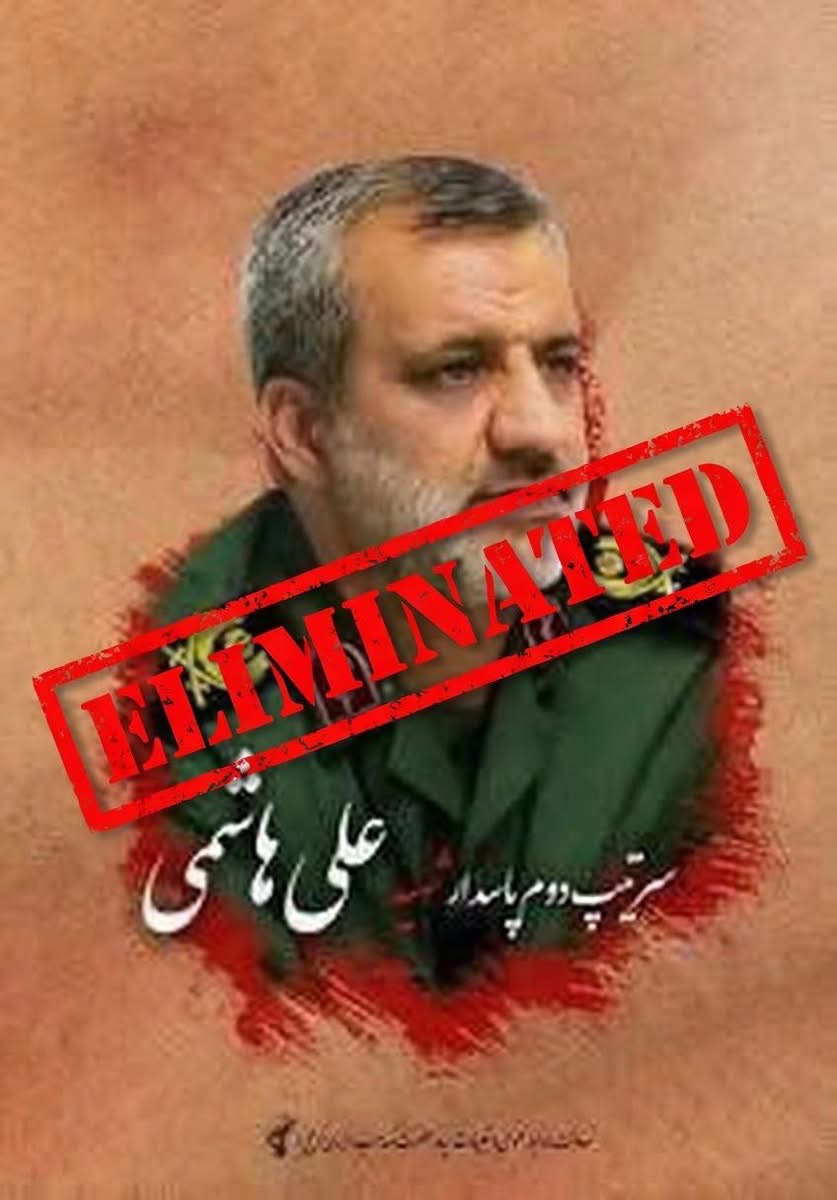
In a stunning escalation that could reshape the geopolitical landscape, Iranian state media confirmed the death of Ali al Hashemi, a high-ranking operations coordinator within the Islamic Revolutionary Guard Corps (IRGC), on March 9, 2026. The strike, carried out jointly by U.S. and Israeli forces, targeted the IRGC’s Sahba al Zaman headquarters in Isfahan, sending ripples of fear and fury through Tehran’s corridors of power. This audacious operation marks the latest chapter in a relentless campaign against Iran’s nuclear ambitions and military elite, leaving the world on edge as tensions boil over into what many fear could be all-out conflict.
Details emerging from the scene paint a picture of precision and devastation. Eyewitness accounts describe massive explosions lighting up the night sky over Isfahan, a city long suspected as a hub for Iran’s covert nuclear activities. Iranian officials reported that the airstrikes, involving advanced stealth aircraft and drone swarms, obliterated key sections of the headquarters. Hashemi, who was reportedly in a high-level strategy meeting at the time, was killed instantly alongside several aides. The IRGC, Iran’s elite paramilitary force, has vowed swift retaliation, but experts question their capacity amid mounting losses.
Who was Ali al Hashemi? A shadowy figure in the IRGC’s inner circle, Hashemi served as the operations coordinator at Sahba al Zaman, overseeing logistics for proxy militias across the region, from Hezbollah in Lebanon to Houthi rebels in Yemen. His role made him a linchpin in Iran’s “axis of resistance,” coordinating arms shipments, intelligence operations, and asymmetric warfare tactics. Described by Western intelligence as a “mastermind of chaos,” Hashemi’s elimination is seen as a surgical blow to Iran’s ability to project power beyond its borders. His death follows a pattern of targeted killings that have decimated the IRGC’s command structure.
This strike is no isolated incident—it’s part of a broader offensive that ignited in late February 2026. The campaign began with the shocking assassination of Iran’s Supreme Leader, Ali Khamenei, in a similar joint U.S.-Israeli operation that targeted his residence in Tehran. Khamenei’s death plunged Iran into political turmoil, with hardliners scrambling to consolidate power amid widespread protests and economic collapse. Since then, airstrikes have hammered nuclear facilities in Natanz, Fordow, and now Isfahan, crippling enrichment programs and research labs. U.S. officials justify the actions as necessary to prevent Iran from acquiring nuclear weapons, while Israel cites existential threats from Tehran’s missile arsenal.
The fallout for the IRGC is profound and immediate. With Hashemi gone, command chains are fracturing, disrupting proxy operations that have fueled conflicts in Syria, Iraq, and Gaza. Analysts predict a temporary paralysis in Iran’s support for allied groups, potentially weakening their positions against rivals. Domestically, the strikes have fueled anti-regime sentiment, with social media buzzing about “foreign invaders” and calls for unity. Yet, Iran’s economy, already battered by sanctions, faces further strain as military resources are diverted to rebuild and retaliate.
Global reactions are pouring in, amplifying the drama. The United Nations Security Council has called an emergency session, with Russia and China condemning the strikes as “acts of aggression” that violate sovereignty. European leaders urge de-escalation, while U.S. President [hypothetical name] defends the operation as a “defensive necessity.” In Israel, Prime Minister [hypothetical] hailed it as a victory against “the head of the octopus.” Oil prices surged 15% in hours, reflecting fears of disrupted supplies through the Strait of Hormuz, and stock markets worldwide dipped amid uncertainty.
As the dust settles over Isfahan, the big question looms: What’s next? Iran has promised “severe consequences,” hinting at cyber attacks, missile barrages, or proxy assaults on U.S. bases. The U.S. and Israel remain on high alert, with naval forces positioning in the Persian Gulf. This cycle of strikes and reprisals could spiral into a wider war, drawing in superpowers and reshaping alliances. One thing is clear—the Middle East’s powder keg just got a fresh spark, and the world watches with bated breath.

Common’s Wild Confession Backfires: Serena Williams Delivers the Ultimate Clapback That Broke the Internet

Shockwaves Across the Middle East: IRGC Commander Assassinated in Daring U.S.-Israel Airstrike

Iran’s New Supreme Leader: A Clear and Present Danger

Blazing Skies Over Tehran: US-Israeli Airstrikes Obliterate Mehrabad Airport in Fiery Assault

China’s Bold Ultimatum: End the War Now or Face Global Chaos!

Fatwa Fury: Iranian Grand Ayatollah’s Deadly Decree Against Trump Ends in Fiery US Airstrike Retaliation

Iranian Navy Flees: Second Warship Begs for Refuge in Sri Lanka After U.S. Torpedo Sends Frigate to the Bottom

Trump’s Bold Ultimatum: America Demands Veto Power Over Iran’s Next Supreme Leader

Barack Obama Seals $10M Netflix Bombshell: The Untold Saga of America’s Trailblazing Leader Unveiled!

Alex Honnold’s “Embarrassing” Payday: Risking Life for Mid-Six Figures on Taipei 101

India’s Imposition of 30% Reciprocal Tariffs on Select US Imports: A New Chapter in Bilateral Trade Tensions
